
The word arrived from elsewhere and has been applied to cannabis fairly loosely. It is worth being plain about what it does and does not describe, because a lot of what is written about it makes claims nobody is in a position to make.
What counts as a microdose?
There is no official threshold. In common use it means roughly 1 to 2.5 mg of THC, against a 5 to 10 mg piece being a normal single dose and 2.5 to 5 mg being the conservative start we suggest to anybody new. The defining feature is the intent: enough to notice something, not enough to feel obviously affected.
How would somebody actually do it?
- Pick a format with a printed, consistent dose. Gummies that can be halved, low-dose capsules and tinctures measured by dropper all work; inhaled products are much harder to measure this finely.
- Start at the bottom — 1 to 2.5 mg — and wait the full two hours an edible takes before deciding anything.
- Keep it the same for several days before changing it, since the differences at this size are subtle enough to be imagined.
- Write down what you took and when. At this scale, memory is not reliable evidence.
Does it work?
That depends entirely on what you are expecting it to do, and this is where we stop. We sell cannabis; we are not qualified to tell you what a given amount will achieve, and any retailer who does is telling you something they cannot know. What is verifiable is the amount: every batch we sell publishes its full panel, so the milligram figure you are working from is measured rather than estimated.
Where does a low dose come from?
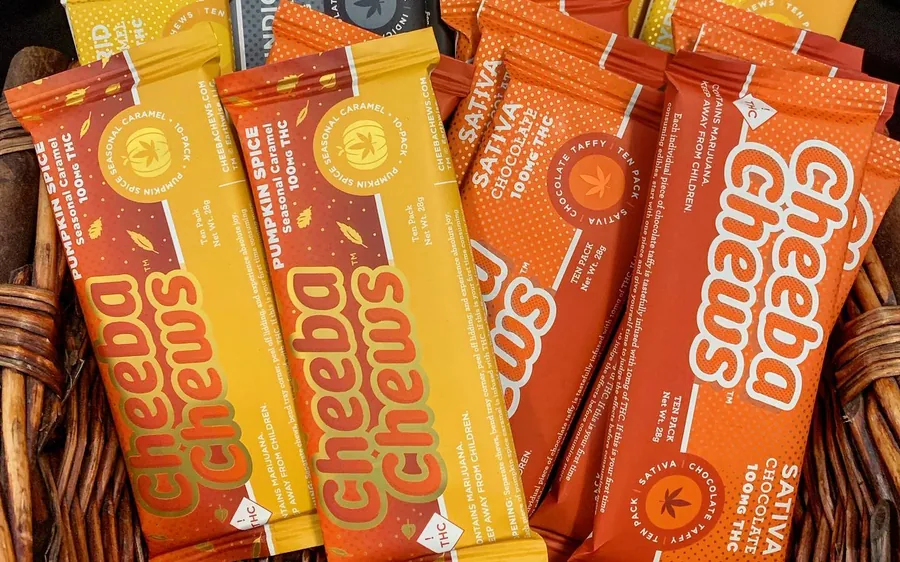
Products sold in low-milligram pieces, or larger pieces that divide cleanly. Our edibles and tinctures list the dose per piece or per millilitre on the certificate rather than only on the box. The dosing guide has the onset table for every format.